
Tile Cleaning Myths Debunked for Sparkling Results
Tile Cleaning Myths Debunked for Sparkling Results

A clean tile floor looks sharp. It shows pride in your home or business. But keeping tiles clean isn’t always as simple as it sounds. Many folks believe tips that don’t work or even harm their tiles. Some tricks might help in the short term but cause long-term damage. Others waste time and money.
Let’s break it all down. This blog cuts through the noise and exposes tile cleaning myths that do more harm than good. Whether you’re cleaning tiles in the kitchen, bathroom or outdoors, we’ll show you what works—and what doesn’t.
For lasting shine, better hygiene and fewer headaches, the truth starts here. If you’re unsure about your current routine, let this guide help you fix it fast. And if you need support, the team behind this expert tile cleaning service at Slique has seen every problem under the sun.
Myth #1: Bleach Is the Best Cleaner for All Tiles
Bleach seems tough. It kills germs. It whitens grout. But is it the best? Not even close.
Bleach can damage some tiles. Natural stone like marble, travertine and limestone hate harsh cleaners. The bleach eats away the surface. It strips away sealers and dulls the shine. Even on ceramic or porcelain, bleach can leave streaks or change the colour of grout over time.
What bleach does best is disinfect, but that’s not always what tiles need. Most tiles need a pH-neutral cleaner that lifts dirt without harming surfaces. These cleaners keep your tiles clean and the grout intact.
Here’s where it gets tricky—some people mix bleach with other chemicals like vinegar or ammonia. This can release harmful gases. That’s not safe for you, your family or your pets.
Instead, choose the best tile cleaning products to use at home. A product made for your tile type is safer and more effective. You’ll protect the surface, keep the sealant strong and save money long-term.
Myth #2: Mopping Regularly Means Your Tiles Are Clean
Regular mopping sounds like the right move. You mop often, so your tiles must be clean, right? Not always.
Mops don’t clean grout lines. They mostly move dirt around. If the water’s dirty or the mop head is old, you’re pushing muck into the corners. Over time, this builds up and discolours your grout. The tiles may look fine from a distance, but up close, they’re dull and grimy.
Also, some mops use too much water. Water seeps into grout and porous tiles. That leads to mould, mildew and damage underneath. Once that happens, cleaning the surface won’t fix the smell or stains.
That’s why deep cleaning is key. You need tools that scrub into the grout and corners. You need less water and better solutions.
Many homeowners are now turning to steam cleaners or microfibre mops. These tools use heat or friction to lift dirt without flooding the floor. They’re safer and more effective.
Still not happy with the results? Then you’ll understand why professional tile cleaning makes a difference. The pros use tools that extract grime from deep below the surface, not just sweep over the top.
Myth #3: Vinegar Is a Safe, Natural Cleaner for All Tiles
Natural sounds better, right? But when it comes to vinegar and tiles, it’s not always a win.
Vinegar is acidic. It cuts through grease and soap scum, which is why many folks like it. But acid eats away at stone surfaces. Marble, limestone and travertine get pitted and etched when vinegar hits them. Even ceramic and porcelain can lose their shine with regular vinegar use.
Many “natural” cleaning blogs suggest vinegar and baking soda together. This combo may fizz and look powerful, but it doesn’t clean deep. In some cases, it leaves a film that attracts more dirt.
If you’re cleaning tiles, first check what type you have. Sealed ceramic or glazed porcelain can handle some vinegar, but never use it on stone.
The better option? Use a cleaner made for your tile. Look for pH-neutral on the label. These clean safely without breaking down the surface or grout.
You’ll save yourself the trouble of repairs and save your tiles from slow damage. Not sure if you’ve already made some mistakes? Here’s how to avoid these common tile cleaning mistakes.
Myth #4: Grout Stains Are Permanent
Grout looks dirty fast. It’s porous and soaks up stains like a sponge. Many people think stained grout is a lost cause. That’s false.
Yes, grout can stain easily, but it doesn’t mean the stain is forever. It just needs the right tools and time. In most cases, deep cleaning with a brush and strong but safe grout cleaner can lift years of grime.
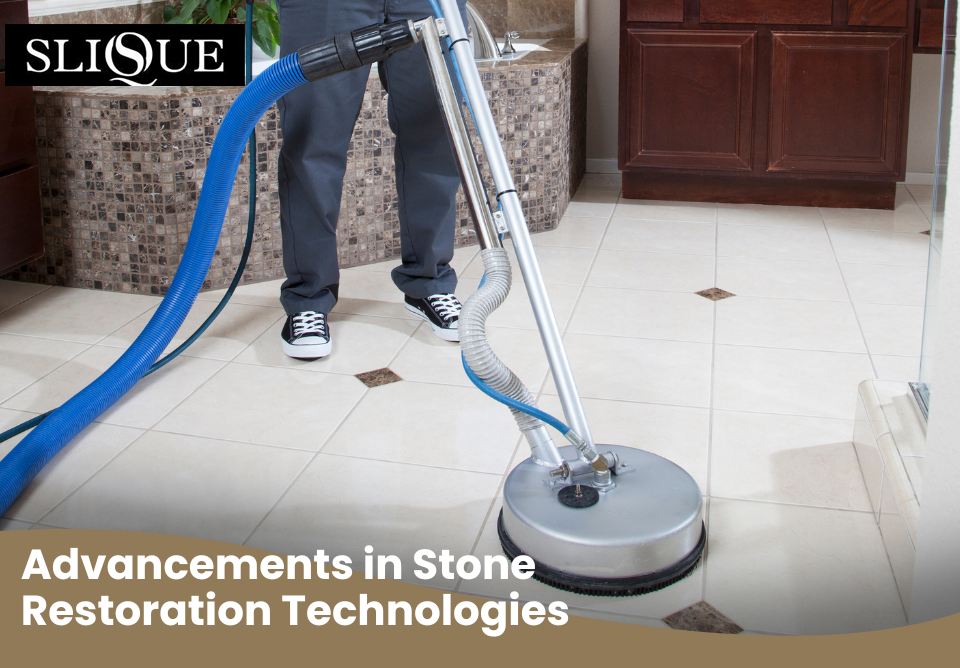
Professional cleaning can also restore grout. Steam extraction or high-pressure tools go deep without damaging the lines.
In stubborn cases, grout recolouring or sealing is the answer. These methods give old grout a new look without pulling out the old lines. It costs far less than replacing tiles and makes the whole floor look fresh.
To prevent stains, seal your grout. Sealants block dirt, oils and water from sinking in. A sealed surface cleans easier and stays brighter longer.
Myth #5: All Tile Types Need the Same Care
Tiles might look alike, but they’re not. Ceramic, porcelain, slate, travertine, marble and sandstone all behave differently. They react in their own way to water, chemicals and wear.
For example:
- Porcelain is tough and water-resistant
- Marble scratches easy and reacts to acids
- Slate flakes if cleaned with harsh brushes
- Travertine absorbs stains fast if unsealed
If you use the wrong cleaner or brush on the wrong tile, you’ll damage it. That’s why you should always check what type of tile you’re cleaning before you start. One-size-fits-all doesn’t work here.
Also, outdoor tiles face sun, dirt and rain. They need different care than indoor kitchen or bathroom tiles. Some outdoor tiles need re-sealing twice a year, while indoor tiles can last longer with less effort.
Knowing your tile means picking the right tools, cleaners and schedule.
Myth #6: High Gloss Equals Cleanliness
Glossy tiles look clean. They shine. But shine doesn’t always mean clean.
Many tile coatings reflect light. This gives a glossy look, even when there’s dirt or bacteria. In fact, some shiny tiles hide grime better than matte ones. You think it’s clean because it shines, but the grout and tile surface may hold mould, oils or germs.
High-traffic areas like bathrooms and kitchens need more than just surface looks. They need real cleanliness—deep into the grout and corners.
A good clean doesn’t always shine. It feels smooth, smells fresh and holds up over time.
It’s better to test tiles with your fingers than your eyes. If it feels sticky or greasy, it needs cleaning even if it looks fine.
Myth #7: Steam Cleaning Damages Tiles
Steam cleaners use heat and water—no chemicals. Some people fear they’ll crack tiles or loosen grout. That’s rarely true.
Steam works by softening grime and lifting it with pressure. It doesn’t flood the floor or scratch the surface. When used correctly, steam is safe for most tiles.
The key is knowing when and how to use it. Don’t let the steam sit too long on one spot. Don’t use it on unsealed natural stone unless your machine is made for that surface.
Steam is great for:
- Bathrooms where soap scum builds up
- Grout lines with deep-set stains
- Kitchens with grease or food spills
Used with care, steam is a strong tool in your tile cleaning kit. No chemicals. Less waste. And good results.
Myth #8: DIY Tile Cleaning Is Always Cheaper
Many think DIY saves money. In some cases, that’s true. But if you use the wrong method, damage your tiles or miss stains that turn to mould, the repair cost far outweighs the saving.
DIY takes time. You need the right tools, cleaners, brushes and know-how. If you don’t seal tiles correctly, or leave moisture behind, you risk long-term problems.
Professionals bring:
- The right machines
- Deep-cleaning knowledge
- Safe, tested methods
- Protection for your tiles and grout
In places like hotels, restaurants or busy homes, the tile traffic adds up fast. Investing in expert help can protect your space and your wallet.
FAQs
1) What’s the best way to clean grout without damaging it?
Grout gets dirty fast because it’s porous. To clean it without damage, start with a pH-neutral cleaner and a stiff brush. Apply the cleaner and let it sit for a few minutes. Then scrub in small circles. Rinse with clean water and dry the area fully. Avoid bleach unless the grout is sealed and your tiles are non-porous. For tougher stains, try oxygen-based cleaners—they’re safer than acid or chlorine. Avoid metal brushes or tools that can dig into the grout. You can also use a steam cleaner. Steam lifts dirt without harsh chemicals and won’t damage most grouts. After cleaning, consider sealing the grout to protect it from future stains. Regular light cleaning helps avoid deep buildup. Once sealed, grout stays clean longer and needs less work to maintain. Clean monthly for best results.
2) Can natural stone tiles be cleaned the same as ceramic tiles?
No, they can’t. Natural stone tiles like marble, slate and limestone are softer and more sensitive. They don’t like acid or bleach. Ceramic tiles are tougher and more resistant to scratches and chemicals. For stone tiles, use a pH-neutral cleaner only. Always test it on a small spot first. Avoid scrubbing pads or harsh brushes. Even water matters—use soft or distilled water if you live in a hard water area. Ceramic tiles can handle more, but you still need to avoid strong chemicals unless the grout is sealed. Using the wrong cleaner on stone can cause etching, discolouration or surface damage. For both types, sealing makes maintenance easier. But always follow the product directions and match the care to your tile type.
3) How often should I clean my tiles and grout?
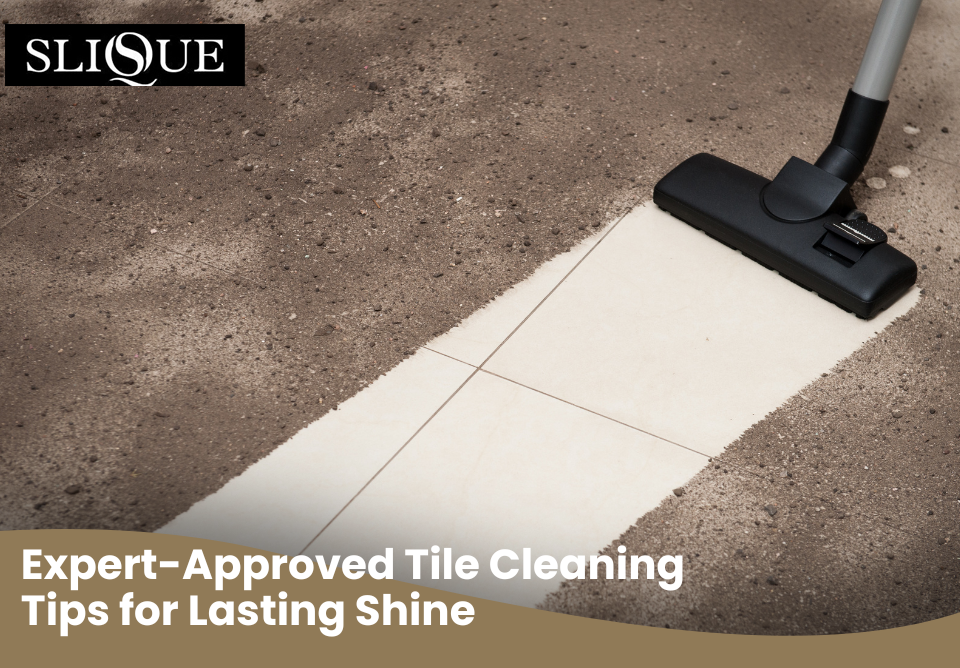
Tile cleaning should be regular. For high-traffic areas like kitchens and bathrooms, aim for a light clean weekly and a deep clean monthly. Grout needs less frequent deep cleaning but benefits from sealing every year. Vacuum or sweep first to remove dust and grit. This stops scratches during mopping. Use a pH-neutral cleaner and avoid soaking the floor. For outdoor tiles, clean every couple of months or more if there’s heavy foot traffic. Rain and dirt build up fast outdoors. If tiles start looking dull, it’s time to deep clean. Don’t wait until they’re stained—maintenance is easier than restoration. Sealed grout holds up better between cleans and saves you effort in the long run.
4) Are store-bought cleaners safe for all tile types?
Not always. Many off-the-shelf tile cleaners are strong. Some contain bleach, ammonia or acids. These work well on ceramic or porcelain but may damage natural stone or unsealed grout. Always check the label. Look for “pH-neutral” and “safe for natural stone” if needed. If a cleaner doesn’t say what tile type it’s for, avoid it. Some “multi-surface” cleaners leave behind residues that dull tile shine or attract dirt. Also, skip any product with wax unless it’s made for tile. Wax builds up and traps dust. If in doubt, do a spot test in a hidden corner. You’ll save your tiles and avoid costly damage. The safest option is using a cleaner recommended by your tile installer or professional cleaner.
5) Why does grout discolour even after cleaning?
Grout discolours for a few reasons. First, it’s porous. It soaks up water, oil and dirt. Even if you clean it, stains can hide deep inside. Second, not sealing grout lets more grime in. Third, old cleaners leave residue that sticks to grout lines. Also, moisture from mopping or showers can lead to mould or mildew, which darkens grout. If you notice discolouration right after cleaning, you might’ve used the wrong product or left residue behind. For a fix, try deep scrubbing with a grout-specific cleaner. Steam works well, too. If stains stay, consider grout colouring or sealing. This gives your grout a clean, even tone. Once sealed, regular upkeep becomes easy, and the colour stays fresh longer.
Ready for Results That Last?
Tiles last for decades—if you care for them the right way. But myths and shortcuts often cause more harm than good. Clean tiles do more than look good. They protect your home’s air, stop mould and help floors stay strong for years.
Now that you know what to do (and what not to do), it’s time to act. Whether it’s sealing grout, ditching bleach or picking the right cleaner, simple changes make a huge difference.
Want the job done right from day one? Trust the specialists at Slique. Our trained team gives you lasting shine, cleaner grout and floors that look brand new.
For all your natural stone floor cleaning and polishing needs in Sydney, please call SLIQUE today on 02 9648 0395, or leave an enquiry.